







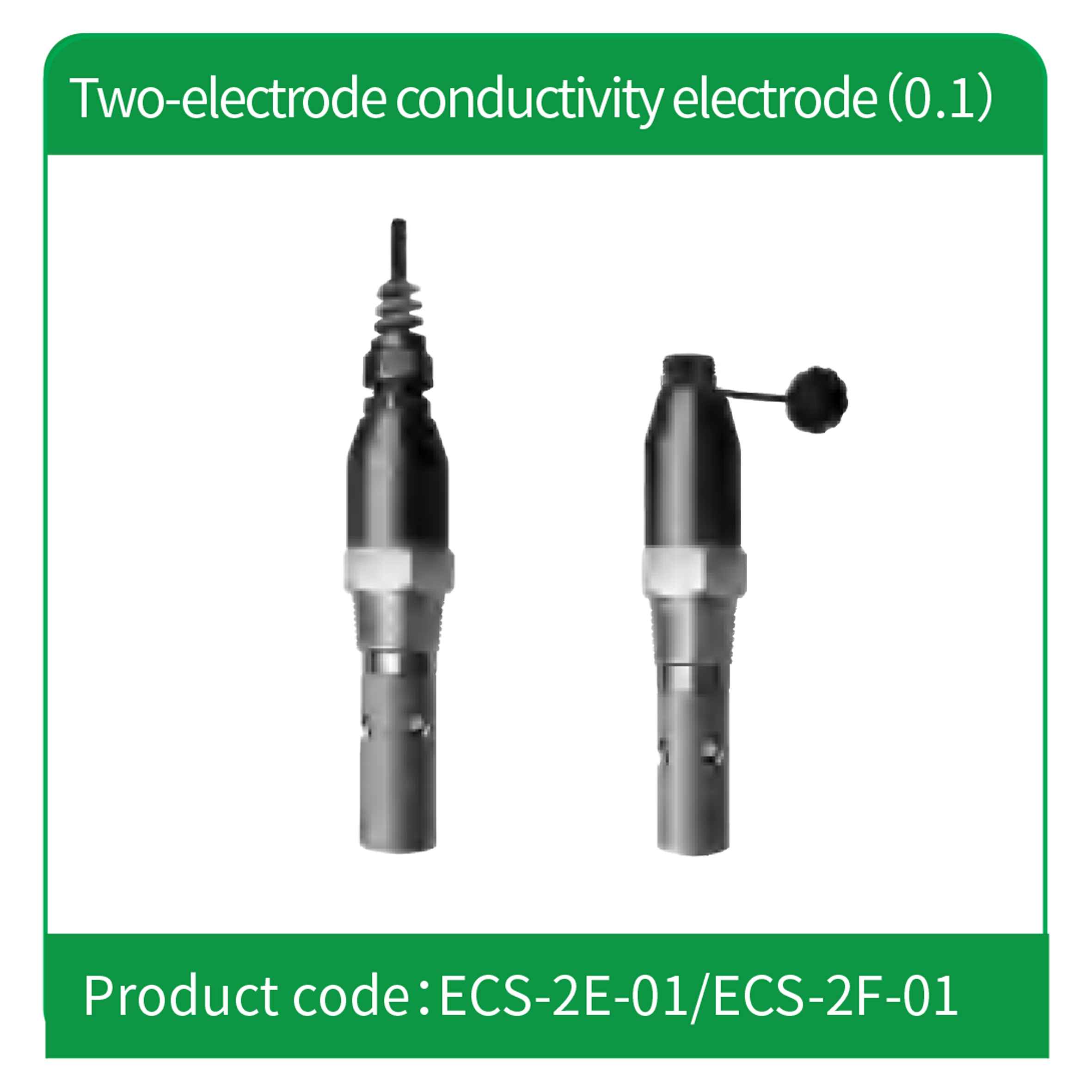
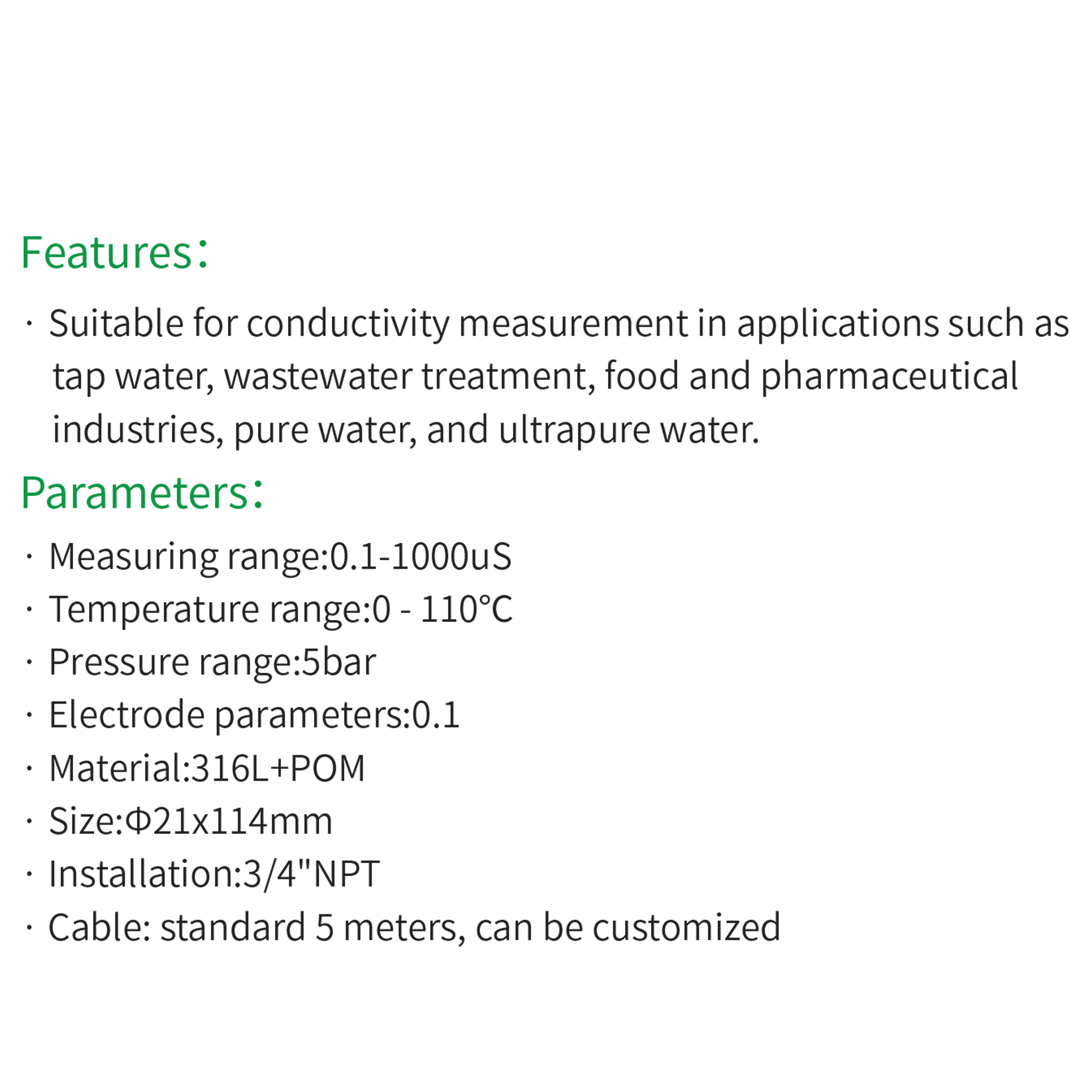
A TDS (Total Dissolved Solids) sensor is a specialized instrument for measuring the amount of total dissolved solids in water or other liquids. By measuring electrical conductivity (EC) and converting it to an approximate TDS value, this sensor provides valuable information about the quality of the water and the amount of ions and minerals dissolved in it.
Features and Benefits:
- Accurate TDS measurement in ppm: These sensors are able to report the approximate amount of total dissolved solids in ppm (parts per million), which is very useful for monitoring water quality.
- Based on electrical conductivity: The TDS sensor calculates the TDS value by measuring EC and applying a specific conversion factor (usually between 0.5 and 0.7).
- Rugged design for industrial environments: These sensors are typically made of corrosion-resistant materials and can function properly in salty, acidic, or alkaline water.
- Temperature Compensation: Many TDS sensors feature automatic temperature compensation (ATC) to reduce the effect of temperature on measurement results and increase accuracy.
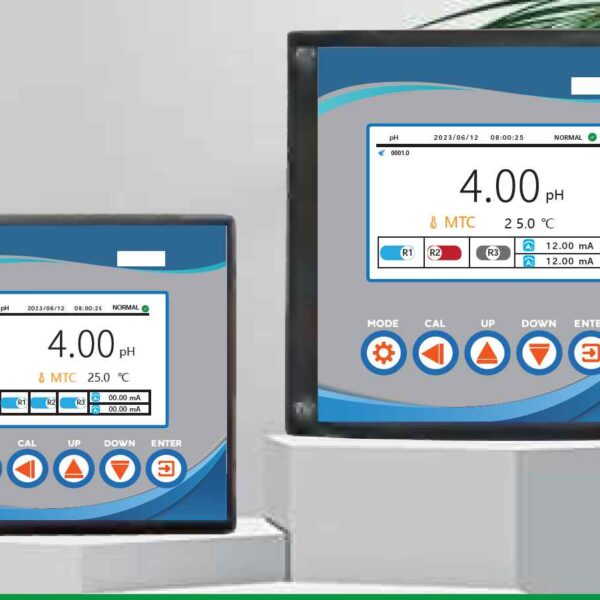
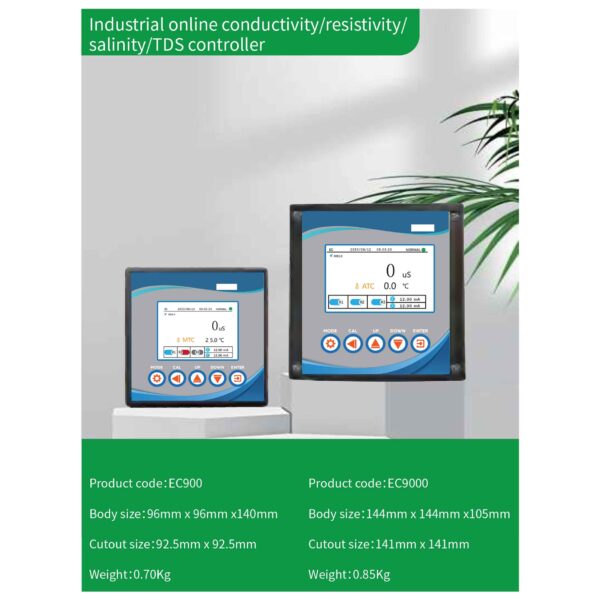
- Connection to a controller or monitor: The TDS sensor can be connected to controllers, displays, or monitoring systems to continuously record or process information.
- Easy maintenance and high durability: These sensors are designed for long-term use and are easy to clean and calibrate.
The need to use a TDS measurement sensor in water purification and industries:
In many industrial and domestic processes, monitoring the amount of dissolved solids is essential to assess water quality. For example:
- In reverse osmosis (RO) systems, TDS measurement helps to evaluate the performance of membranes and determine when to properly replace them.
- In agriculture and greenhouses, the TDS level of irrigation water must be kept within a certain range to prevent damage to plants.
- In the food and pharmaceutical industries, precise TDS control is vital for producing quality products and meeting hygiene standards.
Overall, the TDS measurement sensor is a reliable tool for monitoring water quality and controlling sensitive processes in many industries, and plays an important role in optimizing treatment and production systems.
Reviews
There are no reviews yet.