




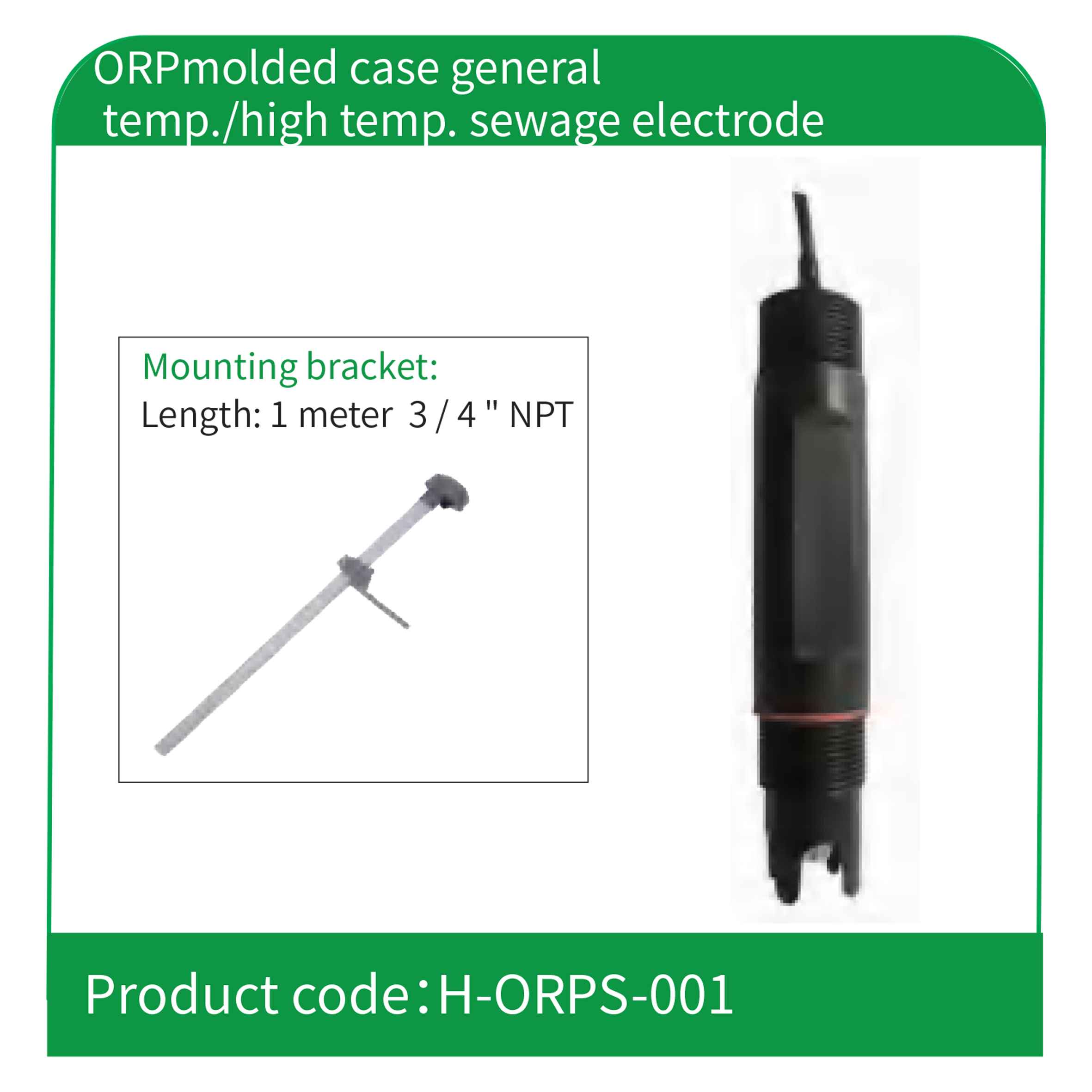
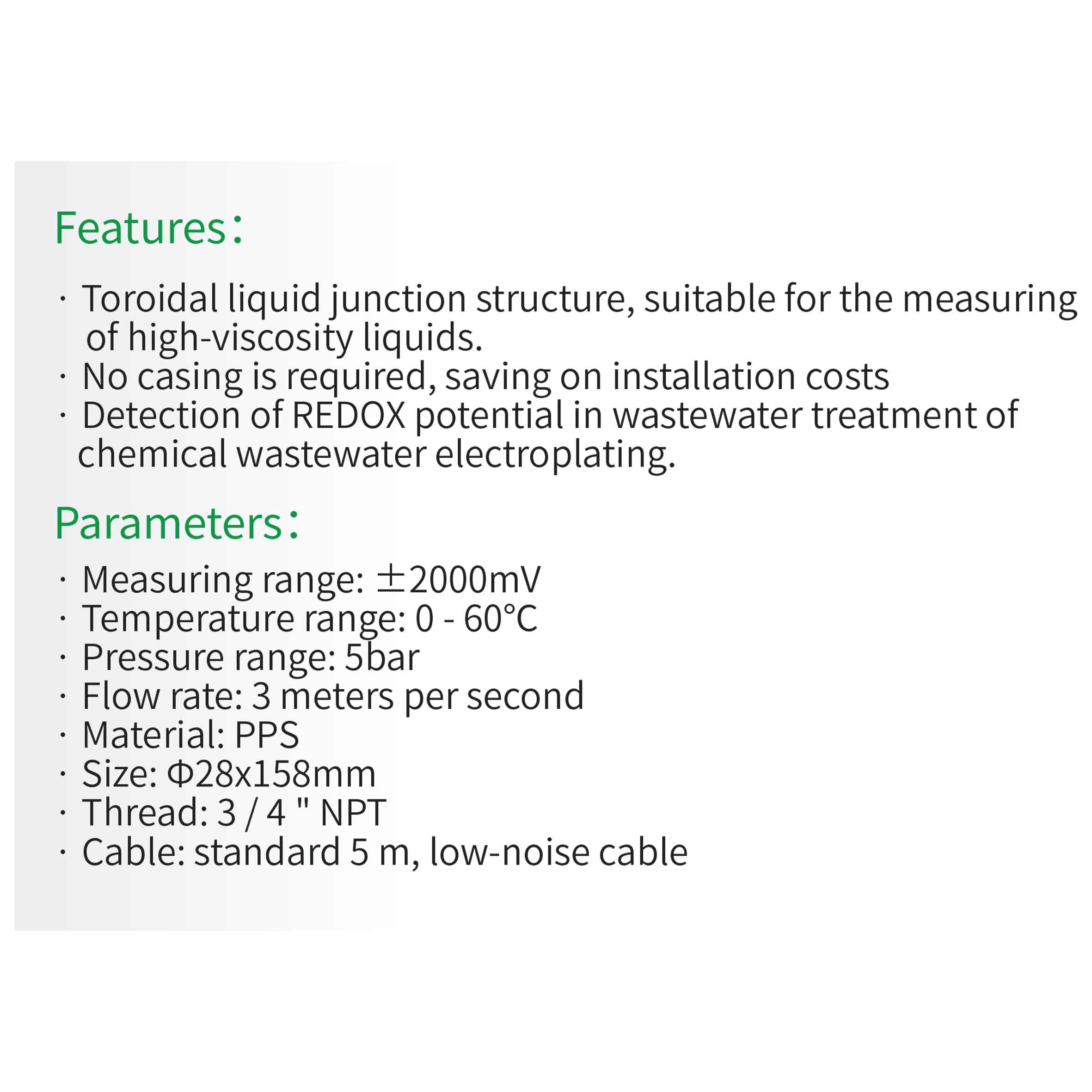
The ORP (Oxidation-Reduction Potential) sensor is a sensitive and specialized instrument for measuring the oxidation-reduction potential in liquids. This sensor measures the tendency of a solution to undergo oxidation or reduction reactions and plays an important role in water purification processes, disinfection control, and many industrial, laboratory, and environmental applications.
Features and Benefits:
- Accurate measurement of ORP potential: This sensor is able to measure the electrical potential of the solution in millivolts (mV) and provide an indicator of its oxidation or reduction power.
- Rugged industrial design: ORP sensors are typically made from resistant electrodes such as platinum or gold and have a body that is resistant to chemicals, temperature, and pressure.
- Fast and stable response: These sensors respond quickly to changes in oxidizing or reducing compounds in the environment and provide real-time information.
- Controller connectivity: The ORP sensor can be connected to a variety of controllers or monitoring systems to continuously record, analyze, and manage data.
- Simple calibration required: These sensors usually do not require complex calibration and are easily adjustable with specific reference solutions.
The need to use an ORP measurement sensor in water purification and industries:
In water and wastewater treatment systems, ORP measurement plays a key role in controlling the disinfection process with chlorine, ozone, or other oxidizing agents. ORP serves as a reliable indicator of whether the water is properly disinfected or needs adjustment.
For example, in swimming pools and cooling towers, maintaining ORP within a certain range (usually between 650 and 850 mV) indicates proper operation of the disinfection system. In the food, pharmaceutical, and chemical industries, ORP measurement also helps identify the right conditions for chemical reactions.
Overall, the ORP sensor is a vital tool for monitoring and controlling chemical and environmental processes, helping to improve the quality, safety, and efficiency of systems.
Reviews
There are no reviews yet.