



Water scarcity is one of the biggest challenges of this century. In a country like Iran, where a large part of the economy depends on agriculture, water scarcity in agriculture has become a serious problem. On the other hand, groundwater resources are decreasing and water salinity is increasing in many regions.
In this article, we will examine solutions to combat water scarcity and the optimal use of purified water in the agricultural sector.
Water scarcity challenges in agriculture
- Declining groundwater resources due to over-extraction of wells
- Salinity and water hardness, which reduce soil quality and crop yield
- Traditional irrigation methods that waste 40 to 60 percent of water resources
- Climate change and recurring droughts
These factors indicate that continuing with past methods is no longer responsible and we must move towards smart water consumption management.
The role of water purification in agriculture
Using agricultural water purification systems has several advantages:
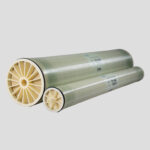
- Possibility of using brackish and saline water for irrigation with the help of reverse osmosis (RO) or nanofiltration systems
- Increase irrigation efficiency and prevent damage to soil and plant roots
- Reducing salt accumulation in the soil and improving product quality
- Possibility of reusing treated wastewater for irrigation
Solutions for optimal use of purified water in agriculture
1. Use of smart irrigation systems
Drip and sprinkler irrigation reduce evaporation and allow water to penetrate deeply. Combining these methods with soil moisture sensors helps ensure that water is applied only when and in the amount needed by the plant.
2. Recycling and reuse of wastewater
After treatment, industrial and domestic wastewater can be used for indirect irrigation and some crops. In addition to saving water, this also helps to preserve the environment.
3. Precise management of irrigation time and amount
By installing smart equipment, the amount of water used can be adjusted according to soil type, weather conditions, and plant growth stage.
4. Choosing drought-resistant crops
One way to combat water scarcity is to grow crops that require less water. Combining this method with purified water provides the best results for farmers.
5. Optimization of the water distribution network
کاهش هدررفت آب در مسیر انتقال از طریق لولهگذاری مناسب، جلوگیری از نشتی و استفاده از سیستمهای مدرن انتقال آب از مهمترین اقدامات برای مدیریت پایدار منابع آبی است.
New technologies in the optimal use of purified water
- هوش مصنوعی (AI) و اینترنت اشیا (IoT) در کنترل سیستمهای آبیاری
- Using solar energy for pumping and purifying agricultural water
- Nanofiltration and ultrafiltration technologies for brackish water purification
These technologies will make the future of Iranian agriculture more sustainable and intelligent.
summary
The water scarcity crisis is a global challenge, but with innovative agricultural water purification solutions, we can make the most of limited water resources. Using smart irrigation systems, purifying saline and brackish water, recycling wastewater, and choosing drought-tolerant crops can all contribute to sustainable agriculture.
If you are looking for an agricultural water purification system that suits your needs, Apalborz experts are ready to provide you with specialized advice.

بدون دیدگاه